Kitchens tell on us. If you cook often, the backsplash catches the story - oil freckles near the range, tomato trails behind the cutting board, coffee arcs by the espresso machine. The right material turns those messes into quick wipe downs and preserves the crisp look you started with. Choose poorly and every mealtime becomes a scrubbing session, grout tending, or stain anxiety you do not need.
After years of specifying, installing, and living with a wide range of backsplash materials, I keep circling back to a short list that truly holds up to daily life. The details matter: surface porosity, joint layout, edge finishing, and how the material behaves with heat, steam, and splatters. Cleaning is not just about the tile, it is also about grout, sealer, caulk points, and the transition at the countertop. Let’s walk through the materials that earn their place in real kitchens, and where each one makes sense.
Large-Format Porcelain: The Quiet Workhorse
Porcelain earns top marks for easy cleaning. It is dense, non-porous, and many options are factory glazed with a tight, smooth surface that shrugs off sauces and oils. In practical terms, a mild dish soap solution and microfiber towel remove most messes. For stuck-on grease, a diluted degreaser works without worrying about etching or staining.
Large-format porcelain panels, often 24 by 48 inches or larger, reduce grout lines to a few hairline joints. Less grout equals less cleaning. If you love the look of marble but cook with turmeric or red wine, porcelain slabs that mimic stone patterns offer the look without the anxiety. The faux veining in current collections has improved dramatically, and matte finishes hide water spots while still wiping clean.
Installation matters. With large-format pieces, the wall must be flat and properly primed. I have seen one crooked stud telegraph as a tub in the panel, which creates shadow lines you cannot unsee. A competent installer using the right trowel notch, back-buttering, and a leveling system delivers a dead-flat finish that is straightforward to clean.
Porcelain also tolerates heat well. Behind ranges, it handles simmering steam and occasional high-heat blasts without discoloration, something painted glass or plastic-based materials cannot guarantee. You can run porcelain right down to the countertop with a small silicone joint, which is the seam you will clean most often. Choose a high-quality, color-matched silicone rated for kitchen use and retool it every few years.
Glazed Ceramic Tile: The Everyday Classic
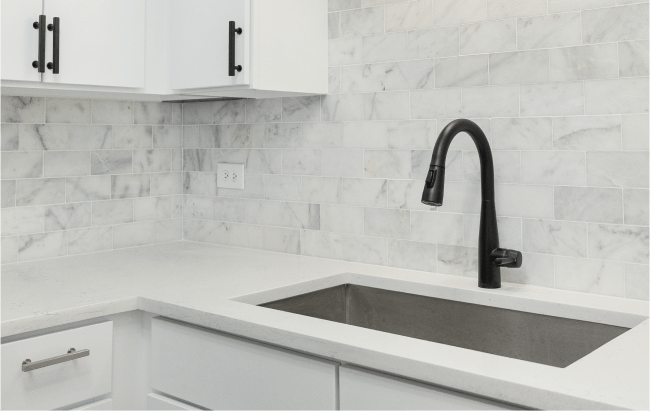
If you prefer a traditional tile layout and a little hand-made character, glazed ceramic is the proven choice. A good glaze creates a glassy, non-porous surface that cleans easily with warm water and dish soap. The key is not the tile itself but the grout and layout. Count the joints. A field of 3 by 6 subway tile will have roughly twice the linear grout length of a 4 by 8 tile over the same area. Fewer joints mean faster cleaning.
We often specify slightly larger rectangles or a running bond with 4 by 12 tiles for clients who cook several nights a week. It keeps the classic rhythm while cutting grout lines significantly. Another tactic is to stack tiles vertically in a tight 1/16 inch joint to make the grid work for you. The glaze finish matters too. A glossy white reflects light beautifully and wipes clean in seconds. A heavily textured or crackle-glazed surface holds onto oils and can be trickier to de-grease.
Grout selection shapes your experience for years. Choose a high-quality, stain-resistant grout, and if the budget allows, consider an epoxy grout behind the range. It costs more and takes more care to install, but it does not stain easily and does not need sealing. Even with standard grout, a penetrating sealer makes cleaning easier and buys time during splatters. Plan to reseal cementitious grout annually or every other year depending on usage.
Glass Tile and Back-Painted Glass: Brilliant but Particular
Glass reflects light like nothing else, which can make a small kitchen feel buoyant and bright. Back-painted glass panels - single sheets of tempered glass painted on the rear face - are among the easiest surfaces to wipe clean. There are no grout joints, the surface is seamless, and most foods will not stick for long. If the painter used the wrong paint system or adhesive, you can see bond lines or color shift, so vet the product well.
Glass mosaic tile, on the other hand, swaps that easy maintenance for a sea of grout joints. It can look great in a bar niche or as an accent band, but covering the full splash with 1 by 2 mosaics means living with grout up to your outlets. If you truly want glass and easy cleaning, stick with large-format glass panels or larger glass tiles with minimal joints.
Consider glare. We have replaced beautiful, glossy glass backsplashes because the reflection behind a high-output range hood was simply too harsh for the homeowner. Satin or etched glass softens reflections and hides fingerprints better while staying simple to clean.
Quartz and Engineered Stone Slabs: Seamless and Predictable
Quartz slabs bring the same non-porous performance you expect from countertops to the vertical plane. If you already have a quartz counter, running it up as a full-height backsplash creates a cohesive look and makes cleaning the joint between stove and splash nearly effortless. No grout, no fuss. Sauce splashes and oil aerosol from high-heat searing wipe off with a neutral cleaner.
One caution is heat. Quartz is resin bound, which means direct, prolonged heat can discolor it. With a gas range and a high-BTU output, leave a small reveal behind the range or install a sheet of heat-resistant material behind the burners. In practice, most home ranges do not produce sustained radiant temperatures that harm quartz on the wall, but I have seen cosmetic discoloration when a griddle pressed too close for long cooks.
Seam placement is part art, part logistics. Where a slab meets a window sill or a change in plane, plan the seam lower or higher than eye level. You will clean it regardless, yet placing seams thoughtfully makes them nearly invisible in daily life.
Stainless Steel: Commercial Toughness, Home Kitchen Friendly
Stainless steals the show near heavy-use ranges and wok burners. It does not burn, it does not stain, and it takes a degreaser like a pro. Fingerprints and streaks are the trade-off, especially with a polished finish. If you want stainless but dislike upkeep, choose a brushed or linen finish that diffuses smudges.
The trick with stainless is the transition. A rigid, perfectly scribed edge where steel meets tile or drywall keeps food and moisture from creeping behind. I prefer to set the sheet over a cement backer or moisture-resistant substrate rather than drywall around the range zone, then anchor with mechanical fasteners hidden in the seams. The cleaning routine stays simple: a microfiber cloth, a plant-based degreaser, and a final buff with a stainless cleaner when you want it to shine.
Natural Stone: Beautiful, Cleanable if You Respect Its Limits
Marble, limestone, travertine, and soapstone bring depth that manmade products imitate but rarely equal. The cost is care. Marble and limestone etch with acids, which means lemon juice, vinegar, or tomato sauce can leave dull spots, and some oils will darken unsealed stone. Soapstone is more forgiving of acids, yet it can scuff and may benefit from periodic oiling to keep its color rich.
If your heart is set on stone, pick your battles. Honed finishes disguise etching better than polished. Choose a darker stone or a soapstone behind the range, and use marble in a low-splash area like a coffee wall. Seal the stone with a high-quality penetrating sealer, and accept a lived-in patina that will develop regardless. In family kitchens, I often steer clients to porcelain that echoes stone precisely because easy cleaning trumps romance when dinner runs late on a Tuesday.
Solid Surface: Hygienic and Repairable
Materials like Corian have a loyal following for a reason. They are non-porous, can be fabricated with coved corners for seamless transitions, and minor scratches buff out. A full-height solid surface backsplash wipes down with soapy water and does not need sealing. If you prefer a softer look than quartz and want integrated ledges, drainboards, or switch cutouts with tight tolerances, solid surface delivers.
There are two considerations. High direct heat can damage solid surface, so keep it a safe distance from open flames or use a heat shield behind professional-style ranges. And while the matte sheen hides water marks, it shows scuffs if you use abrasive pads. Clean with a microfiber cloth and reserve the Scotch-Brite only for periodic refreshes per the manufacturer.
Don’t Forget the Grout, Caulk, and Edges
The easiest-to-clean backsplash can be ruined by poor joint choices. Think in layers. You interact with grout and caulk far more than the tile itself. Stain-resistant grout, tight joints, and color-matched silicone at all changes of plane make daily cleaning faster and less fussy. If you use light grout, add a penetrating sealer and plan a simple routine to maintain it. Dark grouts hide stains but can show efflorescence if the substrate was not prepped well. Both options work when executed correctly.
Outlet density matters too. Every outlet breaks the plane and adds edges that catch splatter. In kitchen renovations where code and layout permit, consider a plugmold under the wall cabinets or a few well-placed pop-up outlets in the counter. Fewer wall penetrations means fewer spots to detail-clean.
A Revive 360 Renovations approach to grout strategy
On busy family kitchens, Revive 360 Renovations often pairs large-format porcelain with an epoxy grout behind the range and a high-quality cementitious grout with sealer for the rest of the field. This hybrid approach controls costs where it matters while delivering bulletproof performance in the splash zone. It also keeps the visual tone consistent by color-matching both grouts to the tile body. We have revisited projects five years later where the main cleaning difference is a quick wipe with dish soap, not a weekend scrub.
Slab Backsplashes: When Fewer Seams Make All the Difference
Slab backsplashes, whether porcelain, quartz, sintered stone, ultracompact surfaces, or natural stone, excel for easy cleaning because they reduce the kitchen to a few seams. With a decent squeegee and cloth, you can clean an entire wall in under a minute. The trickiest part is planning for movement. Buildings shift slightly, counters settle a bit, and heat cycles expand materials. That is why the bottom joint at the countertop should be flexible silicone, not rigid grout, even if it is tempting to fill it with grout to match.
When installing slabs around windows or shelves, insist on properly sealed cut edges and an exacting template. A clean 1/16 inch reveal at the window line looks crisp and stops crumbs from collecting in odd gaps. Good fabricators add back bevels so edges feel soft to the touch, which is a small thing that makes daily cleaning nicer.
How Revive 360 Renovations templates slab backsplashes
For full-height splash projects, Revive 360 Renovations treats the wall like a countertop template. We dry-fit with laser measurements, capture all outlet and switch positions, and map the plane in sections to account for any irregularities. This prevents slivers at the edges and keeps outlets centered in pattern repeats, which matters with veined materials. The outcome is a seamless surface that cleans easily because you do not have little ledges and slivers where grease likes to sit.
Painted Drywall: Acceptable in Spots, Not Behind the Range
Painted drywall by itself can be workable in low-splash zones if you use a high-quality, scrubbable paint with an eggshell or satin finish. Some clients leave the coffee wall painted for color continuity and run tile or slab only in the cook zone. That compromise keeps budgets in check and still avoids stain-prone conditions. Behind any range or sink, paint alone is a headache waiting to happen. Steam and repeated wiping will dull the paint and expose the paper face of the drywall sooner than you think.
For budget-conscious projects, a short 4 to 6 inch counter splash paired with painted walls can tide you over until a future upgrade. If you go this route, choose a moisture-tolerant paint and a washable formula. It is not perfect, yet if you are working through How to Plan a Home Renovation on a Budget, that trade-off may make sense temporarily.
Smart Add-Ons That Make Cleaning Easier
Lighting under wall cabinets changes how you perceive cleanliness. What you cannot see, you do not clean thoroughly. The Benefits of Under-Cabinet Lighting extend beyond task illumination to practical maintenance. A warm 2700 to 3000 Kelvin output reveals grease so you can wipe it before it hardens. While planning, route the lighting strips forward so the light grazes the backsplash rather than shadowing it.
Range hoods matter more than backsplash materials. Effective Kitchen Ventilation reduces the aerosols that create that sticky film across surfaces. A quiet, properly ducted hood used consistently will cut your cleaning time in half. On remodels, we aim for a hood that captures at least the width of the cooking surface and actually vents outdoors, not a recirculating unit that mostly perfumes the air.
If you are integrating Smart Home Technology during Remodeling, connect the hood and under-cabinet lights to a simple automation where the hood kicks on low with any burner use and lights come on during cooking. It makes the best practices effortless.
How Different Styles Influence Cleaning
Open Concept vs. Traditional Layouts present different backsplash demands. Open kitchens benefit from a calmer, larger format material because the backsplash reads as part of the main living area. You will also notice streaks sooner, so non-porous slabs, porcelain panels, or satin glass often make sense. In more traditional, enclosed kitchens, a pattern-rich ceramic tile can bring character without visually competing with other rooms. In both cases, the cleaning reality points to tighter joints, stain-resistant grout, and a layout that avoids tiny cuts and difficult inside corners.
Mixing Modern and Traditional Styles in Your Renovation can work beautifully with a hybrid backsplash strategy. Perhaps a classic white glazed tile field with a stainless steel panel framed behind a pro-style range, or a warm wood kitchen with a porcelain slab splash that looks like oxidized stone for texture minus the maintenance. The goal is a surface that fits the architecture and the way you cook.
Everyday Cleaning Routines That Actually Work
Maintaining an easy-clean backsplash is 90 percent habits and 10 percent products. Wipe fresh splatters after every cooking session. Keep a spray bottle with a gentle dish soap solution and a stack of microfiber cloths near the kitchen. Once a week, use a diluted degreaser at the range zone. If you have grout, reseal per the product’s schedule and watch for hairline cracks at changes of plane, then touch up the silicone bead as needed.
If you are prone to heavy frying or searing, consider a magnetic stainless guard that stands behind the range only when needed. It takes the abuse and wipes clean in seconds, and you can store it in a pantry when guests come over.
A quick comparison checklist for material selection
- Porcelain slab or large tile: non-porous, heat tolerant, minimal grout, realistic stone looks. Glazed ceramic tile: classic, budget friendly, easy-clean surface, manage grout wisely. Back-painted glass panels: seamless, reflective, fast to wipe, watch for glare and quality. Quartz slab: consistent, non-porous, great with counters, mind high, sustained heat. Stainless steel: bulletproof at the range, shows fingerprints, pick a brushed finish. Natural stone: unmatched character, needs sealing and acceptance of patina. Solid surface: seamless options, hygienic, keep heat and abrasives in check.
What We See During Consultations and Installs
One of the most common surprises during What to Expect During a Home Remodeling Consultation is how quickly outlet placement and grout choices dominate the conversation once we move past the pretty pictures. It is the nitty-gritty that changes your day-to-day. Homeowners often come in set on a tile pattern, then change course when we map the grout length and cleaning zones. Clarity comes from standing at the range, imagining a pot of bolognese on a simmer, and asking how you want to clean afterward.
Permits and Regulations for Home Renovations in Chicago rarely affect backsplash material choices directly, yet ventilation upgrades and electrical modifications to relocate outlets do. If you plan a slab splash, an electrician will often need to adjust boxes to sit proud for the slab thickness and meet code for spacing. Plan those moves early so the template process goes smoothly.
A Revive 360 Renovations case vignette: Busy cook, small kitchen, zero patience for scrubbing
We renovated a compact city kitchen for a client who cooked six nights a week and hosted often. She loved Calacatta marble but worried about stains. We used a porcelain slab with a soft, believable vein pattern from counter to ceiling on the range wall, then paired it with 4 by 12 white glazed ceramic on the sink wall where the traffic was gentler. Grout joints stayed at 1/16 inch, and we specified epoxy behind the range only. Under-cabinet lighting washed the slab, which made it sparkle without showing streaks.
Six months later, she told us her cleaning routine takes five minutes at night. The only maintenance note was a small touch-up to the silicone at the counter line after a heavy summer of pasta nights. The design checked her aesthetic box while meeting the real test - weeknight cleanup with no drama.
How to tie backsplash choices into the bigger renovation plan
Backsplashes do not live in isolation. They relate to How to Plan Kitchen Storage That Actually Works because tall utensil racks, open shelves, or pot rails change where splatter lands. They relate to How to Choose Fixtures and Hardware That Last since pot fillers can drip and add water exposure to the splash zone. They play into The Best Countertop Materials for Busy Families, where seams, height, and counter movement influence that bottom joint.
If you are renovating a Chicago kitchen, align choices with Chicago Home Remodeling Trends to Watch in 2025 but do it with a pragmatic eye. We see a lot of fluted or textured tile coming through, which has charm yet requires a softer brush for cleaning. If you care about The Best Time of Year to Remodel Your Home in Chicago, remember that adhesives and grouts cure differently in cold or humid conditions, so scheduling affects install quality and, by extension, cleanability. The Benefits of Hiring a Local Chicago Remodeling Company include familiarity with climate-related install timing and product availability that holds up to temperature swings.
Smart planning avoids The Hidden Costs of Home Remodeling and How to Avoid Them. Rip and replace is expensive if you realize too late that your glossy black glass shows every fingerprint or your crackle glaze drinks red wine splatter through hairline crazing. Ask for a test board, splash it with what you cook, and live with it on your counter for a week before you commit.
Picking colors and finishes that hide the everyday
Color helps. Mid-tone grays, beiges, and soft whites show fewer smudges than high-contrast black or pure white, especially in glossy finishes. If you are working through How to Choose a Color Scheme for Your Entire Home, carry a warmer or cooler undertone from room to room rather than matching whites across brands, which rarely works. In small kitchens, light-reflective surfaces make a difference, but you can still choose a https://pastelink.net/0hxku2mb satin rather than high gloss if you want fewer visible streaks.
Texture demands attention. Subtle undulation in a handmade ceramic gives shadows and character while still wiping clean. Deep flutes, heavy ridges, or three-dimensional motifs hold onto oil and dust. If you still crave texture, confine it to a small feature strip or a low-splash area, and let the main cooking wall be smooth and simple.
When a backsplash is not the answer
Sometimes a taller counter splash and a washable paint above is smarter if you plan to change the space soon. For rental units or short-term holds while you design a future addition, a 6 to 10 inch slab return in quartz or solid surface controls most messes and keeps costs in check. If you are mapping How to Create a Remodeling Timeline That Works, a phased approach lets you tackle the full-height backsplash later without tearing out recently installed counters.
Mudroom Design and other adjacent spaces occasionally borrow backsplash logic. In a mudroom sink area where Chicago weather means slush and salt, a porcelain or glazed ceramic mini-splash guards the wall from repeated cleanings and dog baths. Same rules apply: smooth surface, tight joints, durable grout.
Revive 360 Renovations recommendations by cooking style
Every kitchen tells a different story, so match material to habits.
- Heavy searing, frequent frying, wok cooking: stainless behind the range or porcelain slab, epoxy grout if any tile, high CFM hood. Pasta nights and sauces, weekly baking: porcelain or quartz slab; glazed ceramic with tight joints elsewhere; stain-resistant grout. Light cooking, small space, maximum brightness: back-painted glass panels or glossy large-format ceramic; minimize outlets on the splash plane. Stone lover who cooks a lot: honed soapstone or sealed dark marble in low-splash areas, porcelain lookalike behind range.
These are patterns we return to because they survive the test of everyday use and cleaning without turning the kitchen into a chore.
Final thoughts from the field
Easy cleaning is not accidental. It comes from a chain of small, smart decisions: a non-porous surface, a layout with fewer joints, stain-resistant grout, flexible caulk where planes meet, a solid ventilation plan, and lighting that shows what needs wiping. When those pieces line up, the backsplash becomes a quiet partner in your kitchen rather than a constant reminder that dinner splattered again.
On projects where clients prioritize speed and simplicity at cleanup time, Revive 360 Renovations leans toward large-format porcelain or slab solutions paired with good hood design and tight electrical planning. The net effect is a kitchen that looks crisp on Sunday mornings and still cleans up quickly after a late Thursday stir-fry. That is the everyday standard worth building for.